Examining Cryptocurrency Flow Sequences in Mobile Roulette Reward Structures
Paul Braun · Nov 20, 2026
Examining Cryptocurrency Flow Sequences in Mobile Roulette Reward Structures
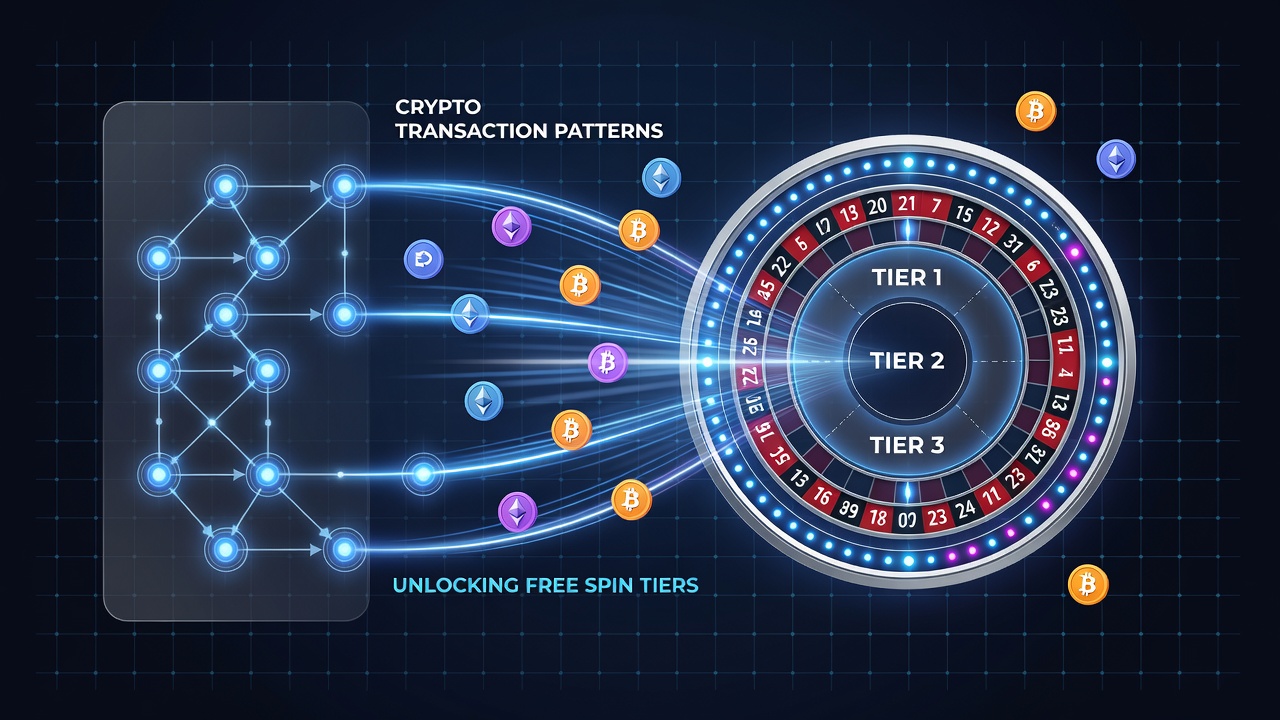
Digital currency movements through wireless gambling platforms have drawn attention from analysts tracking how transfer sequences align with progressive feature access in roulette applications. Data from transaction logs across multiple operators shows recurring intervals between deposits and subsequent reward tier activations, particularly when amounts and timing follow consistent intervals. Researchers at institutions monitoring electronic gaming note that these sequences often correlate with automated system responses that release layered incentives after specific cumulative thresholds are met.
Transaction velocity plays a measurable role in determining when users encounter updated reward structures. Studies compiled by the University of Nevada, Reno gaming research group indicate that platforms process batches of smaller transfers more rapidly than single large ones during peak network congestion periods, which in turn influences the order in which free spin allocations appear in user interfaces. Observers note that this pattern holds across several wireless applications where roulette simulations run on mobile networks with variable latency.
Observed Transfer Intervals and Tier Progression
Records from platform analytics reveal that intervals of approximately 45 to 90 minutes between successive cryptocurrency deposits frequently precede the appearance of additional spin tiers. These intervals allow backend systems to reconcile wallet confirmations with loyalty databases before advancing users to the next reward level. When transfers occur at shorter intervals, systems may queue the actions and apply them sequentially once network confirmations stabilize, resulting in staggered feature unlocks rather than simultaneous releases.
Geographic data from North American operators shows higher volumes of such sequenced activity during evening hours in November 2026, coinciding with increased mobile traffic on 5G networks. European regulatory filings from bodies such as the Malta Gaming Authority document similar timing correlations, where cumulative transaction counts within 24-hour windows trigger progressive access to additional roulette spin allocations. The alignment between wallet confirmation timestamps and feature availability appears driven by automated scripts that evaluate total processed value rather than individual transfer sizes alone.
Network Confirmation Speeds and Feature Access
Blockchain network selection affects how quickly platforms register completed transactions and update reward statuses. Applications integrated with faster confirmation chains demonstrate shorter gaps between deposit completion and the display of new spin tiers compared with those relying on slower networks. Figures from industry reports compiled by the Canadian Gaming Association highlight that operators offering multiple chain options record different progression rates depending on which network users select for each transfer.
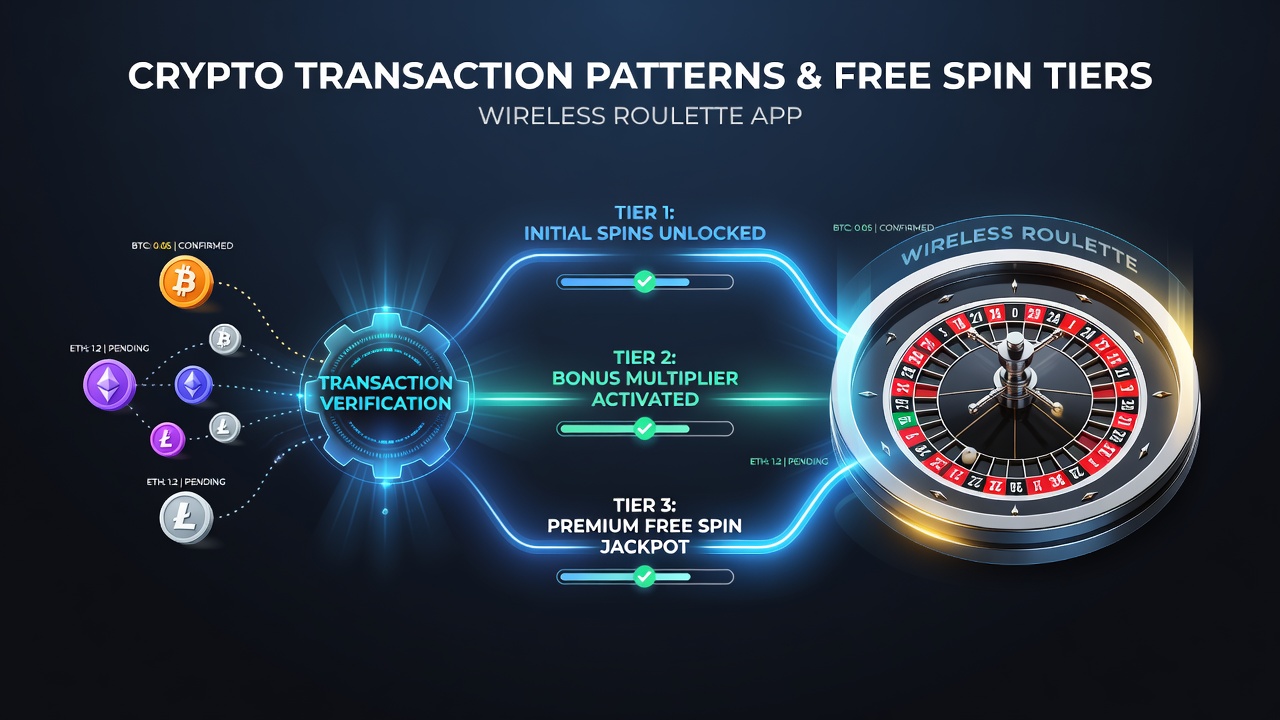
One documented case involved a cluster of accounts where repeated transfers of identical amounts at regular intervals produced predictable tier advancements within a 48-hour cycle. Platform logs indicated that teh system recognized these as qualifying activity once cumulative value crossed internal thresholds, after which new spin allocations became available in the wireless interface. Similar patterns appear in aggregated datasets shared among operators during industry conferences, though individual platform algorithms vary in their exact evaluation criteria.
Regulatory Context and Reporting Requirements
Financial monitoring agencies have begun requesting more granular reporting on transaction clustering within gambling applications. In Australia, the Australian Transaction Reports and Analysis Centre has issued guidance requiring operators to flag repeated small-value transfers that result in rapid reward tier changes. These requirements aim to distinguish routine user activity from coordinated sequences that may warrant additional review. Compliance teams at several wireless platform providers have adjusted their monitoring dashboards to track interval patterns alongside standard anti-money laundering metrics.
Platform updates deployed in late 2026 incorporated new reconciliation steps that evaluate transaction metadata before releasing sequential incentives. These steps include verification of wallet age and network origin, which can alter the speed at which tiers advance even when transfer amounts and timing remain constant. Data shared at regulatory roundtables suggests that such adjustments have lengthened average progression times across several mobile roulette titles without changing the underlying reward structures themselves.
Conclusion
Transaction patterns observed in cryptocurrency-enabled wireless roulette applications continue to evolve alongside platform algorithms and network conditions. Aggregated industry data shows consistent relationships between transfer timing, confirmation speeds, and the sequential release of free spin tiers, while regulatory frameworks in multiple regions require increased documentation of these activities. Continued monitoring by research groups and oversight bodies will likely refine understanding of how these sequences interact with mobile reward systems in coming periods.